
The Bank Robber Learns to Ask
Anxious PeopleThe Bank robber’s habit of handling hardship alone gives way to moments when she tells the truth and accepts help without making it another performance.
increasing Bearing strength in each event
 decreasing
Bearing strength in each eventdecreasingA Child Learns to Manage Chaos

A Child Learns to Manage Chaos
Responsibility arrives early
The Bank robber grows up helping her mother through alcohol-related instability. She learns to provide excuses and protect the family from outside scrutiny.
Independence becomes a rule
As an adult, she promises herself she will not ask for help or become a chaotic parent. The rule is meant to protect her daughters, but it also makes her reluctant to seek support before crisis.
A Parent Is Displaced
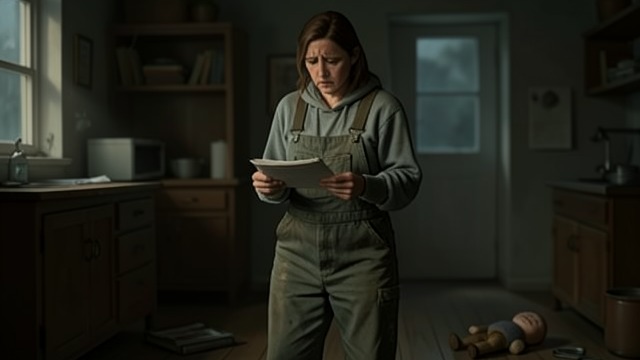
A Parent Is Displaced
Loss compounds quickly
The Bank robber loses her marriage, job, and apartment in a short period. With little savings and a temporary job, she cannot meet rent and worries that her ex-husband’s lawyer will take the girls.
Asking feels dangerous
She avoids welfare offices and conflict with her ex-husband because she fears the children will be caught in a fight. Her effort to solve everything alone leaves fewer options.
A Crime Without a Plan

A Crime Without a Plan
A desperate attempt
The Bank robber enters the Cashless bank for 6,500 kronor, believing she can return the money after earning wages. She has not considered what she will do if the plan fails.
A mistake is admitted
In the apartment she tells the hostages that life did not turn out as expected. This is the first moment when she stops pretending that she is in control.
Telling Jim the Truth

Telling Jim the Truth
A story begins in pieces
Jim sits with the Bank robber and asks how she ended up there. She explains the divorce, the rent, and the fear of losing her daughters.
Help becomes possible
For once she does not have to persuade anyone that she has a plan. Jim listens, and his response gives her a chance to accept help without pretending the robbery was justified.
Returning to Her Daughters

Returning to Her Daughters
A home made possible
The Bank robber lives with her daughters in Estelle’s apartment. The arrangement does not remove the legal uncertainty, but it gives the family shelter and company.
A more open conversation
She tells her daughter that the divorce is not her fault and accepts reassurance from the child. The Bank robber begins to replace solitary endurance with honest connection.
The Bank robber’s childhood
After the divorce
The morning of December 30
During the pizza delivery
The evening after the hostage crisis
